Top tips: Child safety - Promoting safety in the home
Children under the age of five are the group most at risk of accidents in the home. Our top tips will help you to promote the importance of creating a safe home environment with parents and families.
Top tips for child safety - Promoting safety in the home
RoSPA say the leading causes of home accidents for under-fives are falls, burns and scalds, poisoning, choking and suffocation and drowning. Support families by sharing information and tips to support child safety.
- Falls – fit safety gates at the top and bottom of stairs, never leave young children alone in the bath, on bed, sofa etc. Remove trip hazards from the floors. Encourage children to use handrails when climbing stairs. Ensure window locks or restrictors are fitted to windows and remove furniture away from windows to discourage climbing. Fit harnesses to highchairs and use non-slip mats on slippery surfaces, e.g. in the bath
- Burns – Use the back rings on hobs and turn pan handles inwards. Keep hot drinks and kettles out of reach or use sealable travel mugs for hot drinks. Use an oven-guard door if the outside of the door becomes hot. Never leave children alone in the bath, run cold water first, then top up with hot, check the temperature of the bath using your elbow. Use a fire guard if you have an open fire
- Poisoning – store all medicines in a locked cupboard; if you don’t have a locked cupboard use a cupboard that is out of reach and sight of children. Always replace child resistant caps securely after use. Ensure all cleaning products (including laundry pods and dishwasher tablets) are stored in a secure cupboard that children are unable to access. Store alcohol, vaping products, cigarettes, toiletries and perfumes safely out of reach. Ensure handbags are hung up out of children’s reach (specifically if they store any of the items mentioned). Check house plants are non-toxic. Ensure batteries are kept away from children. Go around your home to check which items/toys use batteries/button batteries and check that battery covers are securely locked. Dispose of used batteries immediately (at your local recycling centre)
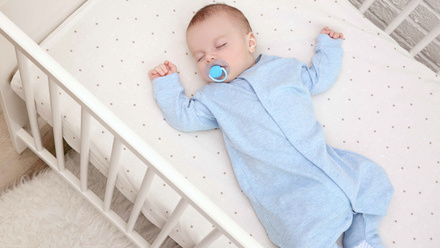
- Choking and suffocation – cut up food into small manageable pieces – slice sausages, grapes etc. lengthways and into quarters. Always supervise children at mealtimes. Ensure baby’s cot is free from toys and cot bumpers, toys, blankets etc., remove any dummy cords or string before sleep. Tie blind cords up high out of reach of children, ensure drawstring bags are kept in cupboards or high out of reach. Keep plastic bags, cling film etc. out of children’s reach
- Drowning – never leave children alone with water, for example, the bath, outdoor water trays, garden ponds or pools, hot tubs, or during outings that include a water source. Cover garden ponds or fence off water features. Empty the bath as soon as you take your child out. Teach children basic water safety. As soon as developmentally appropriate, teach children how to swim.
Disclaimer: Activities with children must always be risk assessed, including for allergies or choking. Children must always have adequate supervision. Resources and materials