Top tips: Movement matters
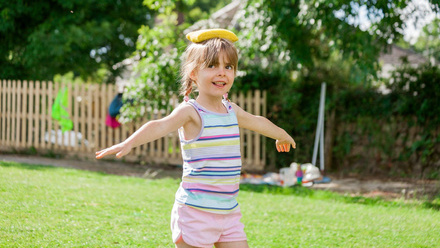
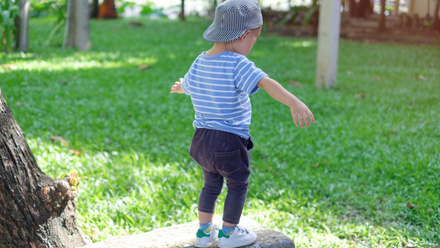
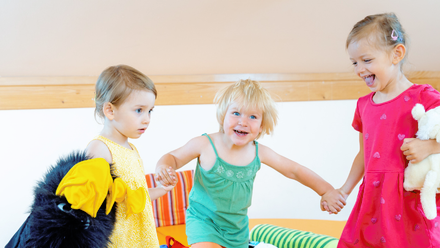
Movement comes naturally to young children - they climb, spin, jump and wriggle their way through the world long before they can put any of it into words. However, understanding that movement is good for their overall well-being is something children learn gradually, through experience and through the language and attitudes of the adults around them. As a nursery practitioner, you are uniquely placed to nurture that understanding through the environments you create, the words you use and the way you move alongside the children. These movement matters tips are here to help.
Top tips for movement matters
- Make the connection visible. After active play, draw children’s attention to what they notice in their bodies — a beating heart, rosy cheeks, feeling warm. Simple questions like, “How does your body feel now?” help children begin to make the link between movement and feeling good
- Use the language of well-being, not exercise. Talk about movement in terms of how it makes us feel rather than what it does to our bodies. “Running makes me feel so free!” or “I feel happy when I dance” is far more meaningful to a young child than concepts like fitness or health
- Move alongside them. Children learn through watching the important adults in their lives. When practitioners join in dancing, jumping, stretching etc they send a powerful message that movement is joyful and worth doing
- Offer movement as a response to emotion. When children are frustrated, overwhelmed or unsettled, gently offer movement as a way through, such as a stomp around the garden, a shake of the whole body, a big stretch. Over time, children will begin to reach for movement themselves as a tool for self-regulation
- Celebrate effort, not ability. Notice and name what children are doing, e.g. “You kept going all the way to the top!” Focus on persistence, enjoyment and trying, not on who is fastest or most skilled. This builds a positive relationship with physical activity that children will carry with them
- Create an environment that invites movement. Children shouldn’t need to be told to be active, the environment should invite them in. Loose parts, open spaces, hills, ramps, tyres, tunnels and varied surfaces all invite children to move in ways that feel purposeful
- Connect movement to the natural world by digging, splashing, climbing over logs, running through leaves etc. Outdoor physical play connects children to nature while they move their bodies. This dual experience deepens the sense that being active feels good and being outside feels good, and the two belong together
- Involve families. Share what children have been doing and how they responded such as through a quick note home, a photo on the learning journey, a casual conversation at the door. When families see movement valued at nursery, it opens up conversations about active play at home too.
NDNA products to support you with this tip
Developing quality outdoor provision - Face to face training
PANCo - Training
Disclaimer: Activities with children must always be risk assessed, including for allergies or choking. Children must always have adequate supervision. Resources and materials